
Importing Commercial Flooring from China: A Practical Guide
August 2026 · 9 min read · by BON Flocked Flooring
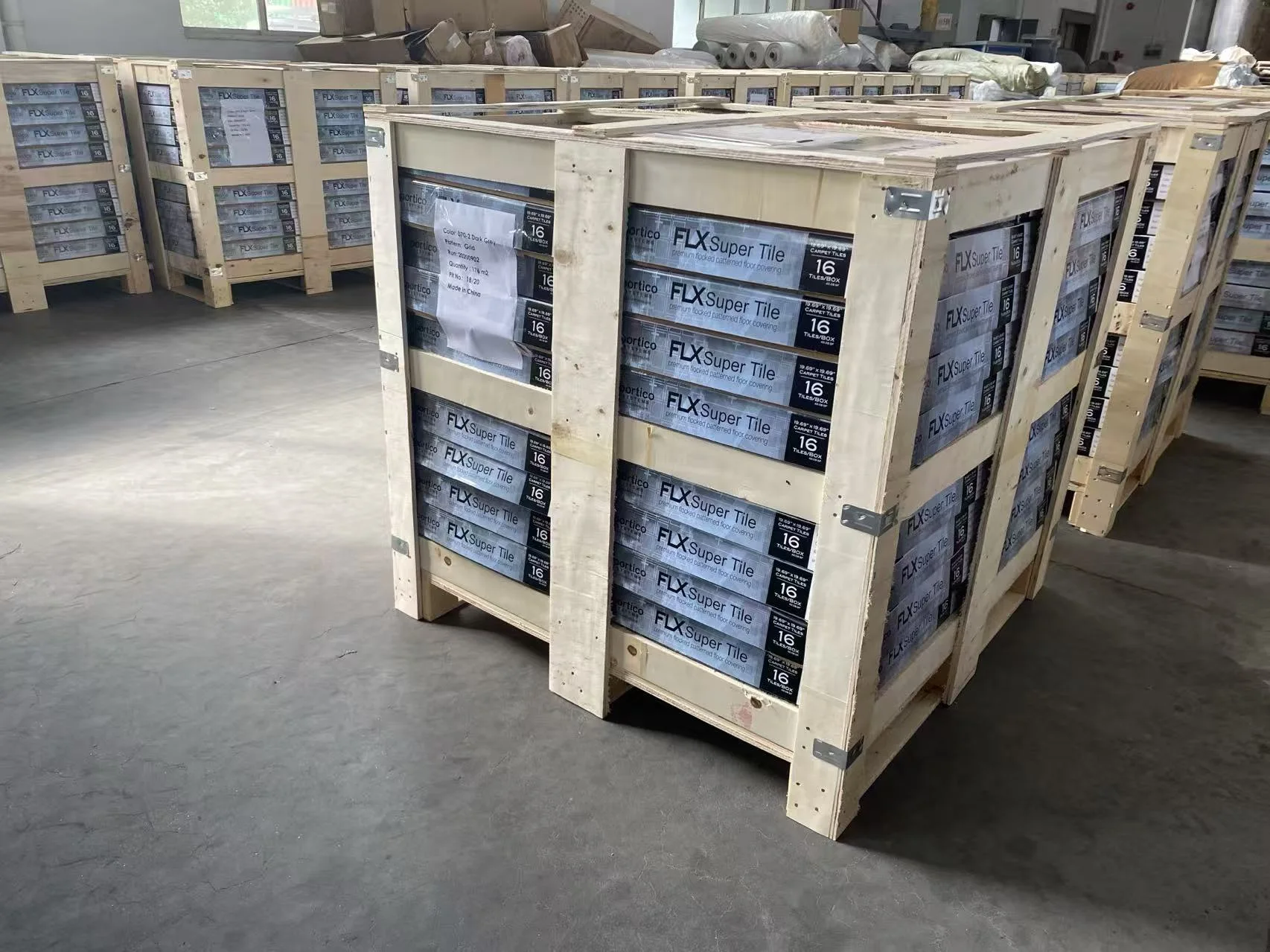
Buying flooring direct from a Chinese factory is not complicated, but it is unforgiving of vague preparation. The quote you get back is only as good as the brief you send, and most of the cost surprises importers hit — freight, duty, part-loads, delayed paperwork — are decided before the container is ever booked. This is the practical version: which Incoterm to ask for, how classification and duty actually work, what documents to demand up front, and how to brief a factory so a real quote comes back the same week.
First decision: which Incoterm
Almost every misunderstanding between an importer and a factory traces back to comparing quotes written on different terms. Settle this first.
| Term | Who does what | When it suits you |
|---|---|---|
| FOB (free on board) | Factory delivers to the Chinese port; your forwarder takes it from there. | Most control and the clearest view of real freight cost. The standard choice once you have a forwarder — and the easiest to consolidate with other suppliers. |
| CIF (cost, insurance, freight) | Supplier arranges sea freight to your port; you clear customs. | Simpler if you have no forwarder yet, but freight is bundled into a price you cannot see. You still handle duty and delivery. |
| DDP (delivered duty paid) | Everything to your door, duty included. | Easiest for a first or small order. Convenient, but you are trusting someone else's freight and duty maths — check what is actually included. |
We quote FOB Ningbo / Shanghai by default and can also quote CIF or DDP, or work with a forwarder you nominate. Whichever you choose, ask every supplier for the same term so you are comparing like with like.
Classification and duty — your liability, not the factory’s
Textile floor coverings generally fall under HS heading 5705; vinyl and other resilient products classify elsewhere, because the code follows the material rather than the application. Two things importers get wrong here:
- You are importer of record. If the classification is wrong, the exposure is yours. Ask the factory which code it declares on export, then have your own customs broker confirm the code and the duty rate for your country before the first order.
- Rates move. Duty, anti-dumping measures and country-specific tariffs (for US buyers, Section 301 among them) change over time. Never budget from a rate someone quoted you last year — confirm it for the shipment you are actually placing.
The documents to ask for with the quote
Request these in the same email as the price. Chasing them after the container sails is where clearance delays come from.
- Commercial invoice and packing list — the basics every broker needs.
- Bill of lading — issued at shipment; confirm consignee details early.
- Certificate of Origin — often required, and sometimes needed to claim a preferential rate.
- Test reports for the batch — reaction to fire, slip, emissions, as your market or tender requires. Ours are issued for the specified product and batch.
- HS code declared on export — so your broker can check it against your own classification.
Container maths: tile vs roll
Format changes the economics more than most buyers expect. Carpet tile packs flat, palletises tightly and loads efficiently. Roll goods are bulky — a container of roll usually fills up on volume long before it reaches its weight limit. Two practical consequences:
- Ask for the loading plan — square metres per 20ft and per 40ft for your exact product and packing — before fixing the order quantity.
- If your requirement lands just under a full container, rounding up is often cheaper per square metre than shipping a part-load. Get both numbers before deciding.
How to brief a factory so the quote comes back fast
1 · Send a clear enquiry
Area in m², format (tile or roll), destination port or city, target Incoterm, and any standards your project must meet. A vague enquiry gets a vague answer.
2 · Samples before anything else
Judge the physical product, not a photo. Check density with your thumb, wet-clean a corner, and look at the colour under the lighting of the actual site.
3 · Confirm classification & documents
Get the HS code the factory declares, and have your broker confirm the code and duty for your country before you commit.
4 · Agree loading & terms
Ask for the container loading plan (m² per 20ft/40ft) and settle payment terms and lead time in writing.
5 · Production & shipping
Stock in weeks, custom print around 4–8 weeks; then sea freight plus clearance. Build float into the site programme.
For our own products, MOQ is from 500 m², stock ranges ship in a few weeks and custom digital print runs around 4–8 weeks. Pricing is quoted per order against quantity, format and design — send the area and the design and a formal quote comes back, usually within one business day.
Five mistakes that cost real money
Comparing prices on different Incoterms
An FOB price and a DDP price are not the same number. Normalise every quote to the same term before you decide anything.
Assuming the factory owns your classification
You are importer of record. The HS code and duty are your liability — confirm them with your own broker.
Skipping samples to save two weeks
The most expensive container is the one full of a floor that is the wrong colour or feel. Approve physically, always.
Ordering a part-load
Rounding up to fill a container is often cheaper per m² than shipping half-empty. Ask for the loading plan first.
Leaving paperwork to the end
Test reports and certificates of origin take time to issue. Request them with the quote, not after the goods ship.
Buying direct, or through a middle layer
A trading company can be genuinely useful if you are buying many product types at once. But for a single category you are paying a margin for coordination you may not need — and you lose direct control of specification, batch documentation and colour matching. Buying from the factory means the answers about construction, test data and lead time come from the people who actually make it. We manufacture flocked flooring ourselves and export it worldwide; see how to buy it, the private-label option, or the distributor programme if you want to resell it.
FAQ
Should I buy FOB, CIF or DDP when importing flooring?
FOB gives you the most control: the factory delivers to the port and your own forwarder handles the rest, so you see the real freight cost and can consolidate with other suppliers. CIF is simpler if you do not have a forwarder — the supplier arranges sea freight to your port, but you still clear customs and pay duty. DDP means the goods arrive at your door with everything paid, which is easiest for a first order or a small quantity, but you are trusting someone else's freight and duty numbers. Most established importers settle on FOB once they have a forwarder they trust.
What HS code applies to commercial flooring from China?
Textile floor coverings generally fall under HS heading 5705, while vinyl and resilient products sit in different chapters entirely — the classification follows the material, not the use. The exact code and the duty attached to it must be confirmed by your customs broker for your country, because rates change and misclassification is your liability as importer of record, not the factory's. Ask the factory for the code they declare on export and cross-check it with your broker before the first shipment.
What documents do I need to clear commercial flooring through customs?
At minimum: commercial invoice, packing list and bill of lading. Most brokers will also want a Certificate of Origin, and depending on the market you may need test reports (reaction to fire, slip, emissions) either for customs or for the project itself. Ask for the documents in the same email as the quote — chasing paperwork after the container has sailed is where delays come from.
How much commercial flooring fits in a container?
It depends on format, not just weight. Carpet tile packs flat and palletises efficiently; roll goods are bulkier and are usually the limiting factor on volume rather than weight, so a container of roll rarely reaches its weight limit. Ask the factory for the loading plan — square metres per 20ft and per 40ft for your specific product and packing — before you finalise the order quantity, because rounding an order up to fill a container is often cheaper per square metre than shipping a part-load.
How long does it take from order to delivery?
Three separate clocks add up. Production: a few weeks for stock ranges, around 4–8 weeks for custom digital print. Sea freight: roughly 25–40 days to the US or Europe, less to Southeast Asia and the Gulf. Then customs clearance and inland delivery at your end. Approving samples and artwork early is the single biggest thing you control — it is usually what delays a first order, not the factory.